Guide without taking over
Your athlete needs support, structure and room to own the process.
- Ask questions before giving the answer.
- Keep the car ride home emotionally safe.
- Let coaches coach while you remain the secure base.
 Get in touch ↗
SUMMIT 2911 · PARENT EDUCATION
A clear framework for helping youth athletes grow without turning sport into the center of the family or the measure of the child.
PARENTS · CAREGIVERS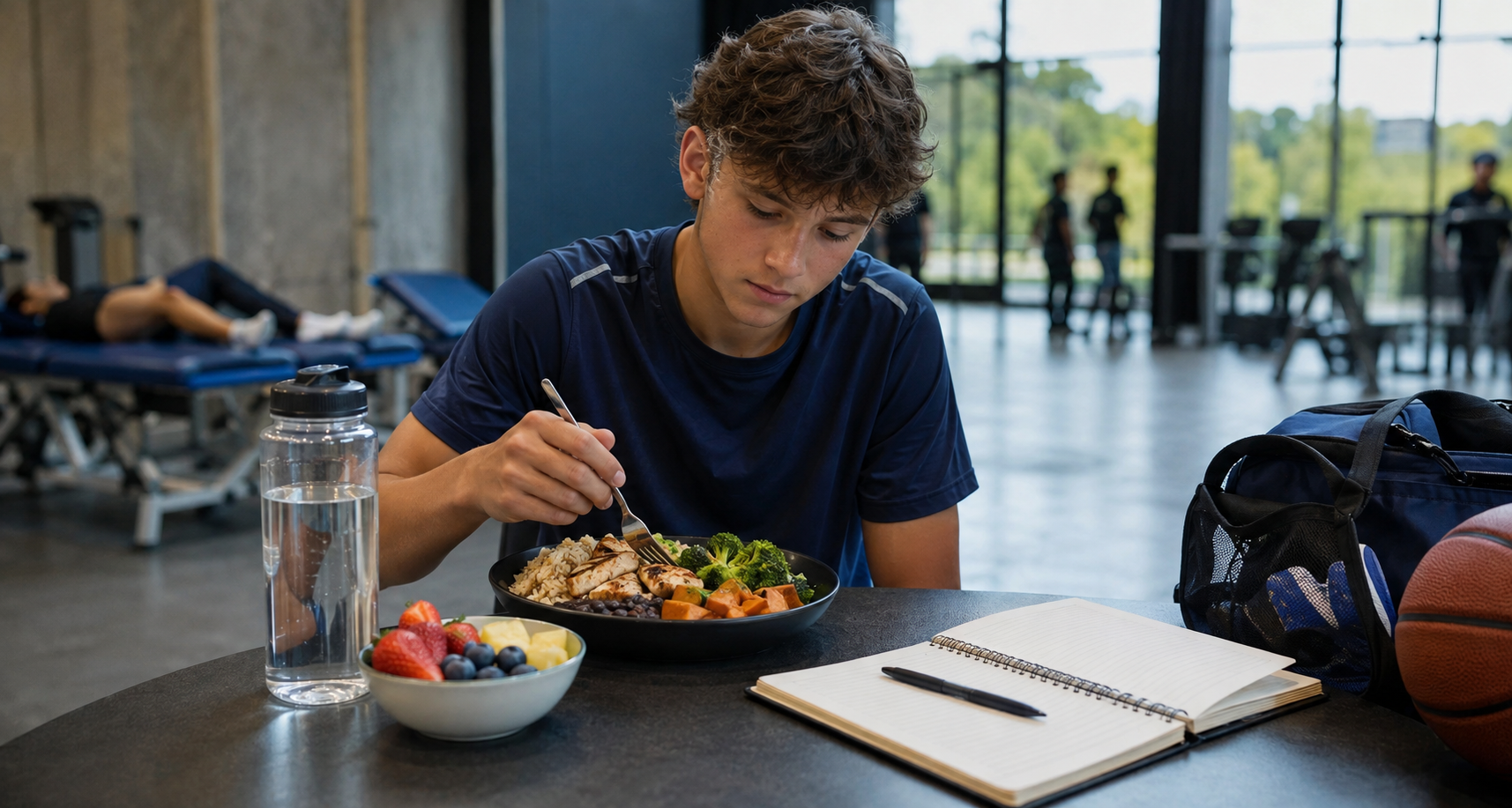
THE PARENT STANDARD
You cannot control every coach, result or opportunity. You can create a home environment where effort is supported, recovery is protected and identity remains larger than performance.
Your athlete needs support, structure and room to own the process.
Calendar age does not tell the whole story.
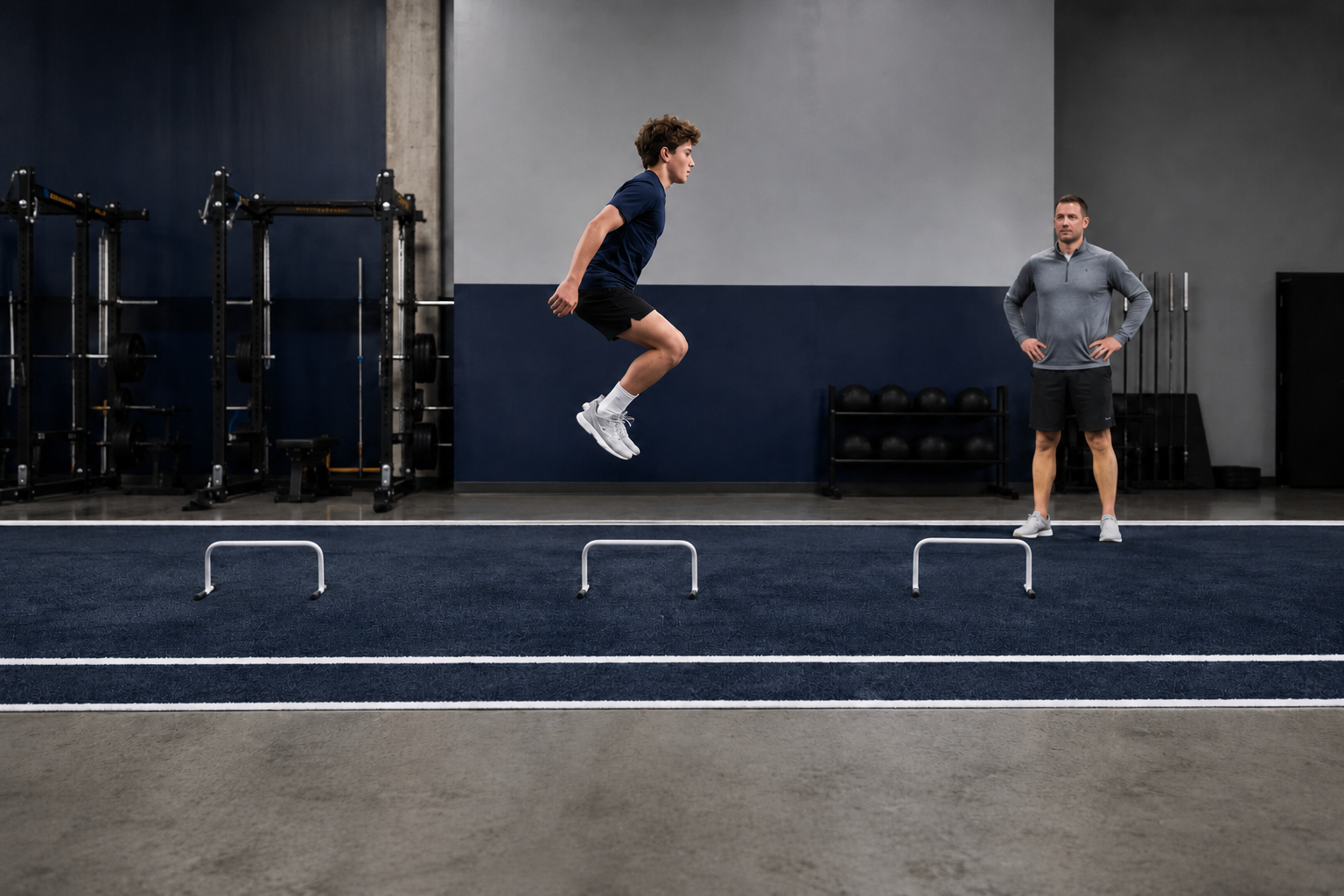
More teams, lessons and tournaments do not guarantee more growth.
Parents shape the food environment more than any lecture does.
Results change. Habits and character follow the athlete.
Early attention protects both health and long-term opportunity.
 THE JOURNEY
 BETTER QUESTIONS
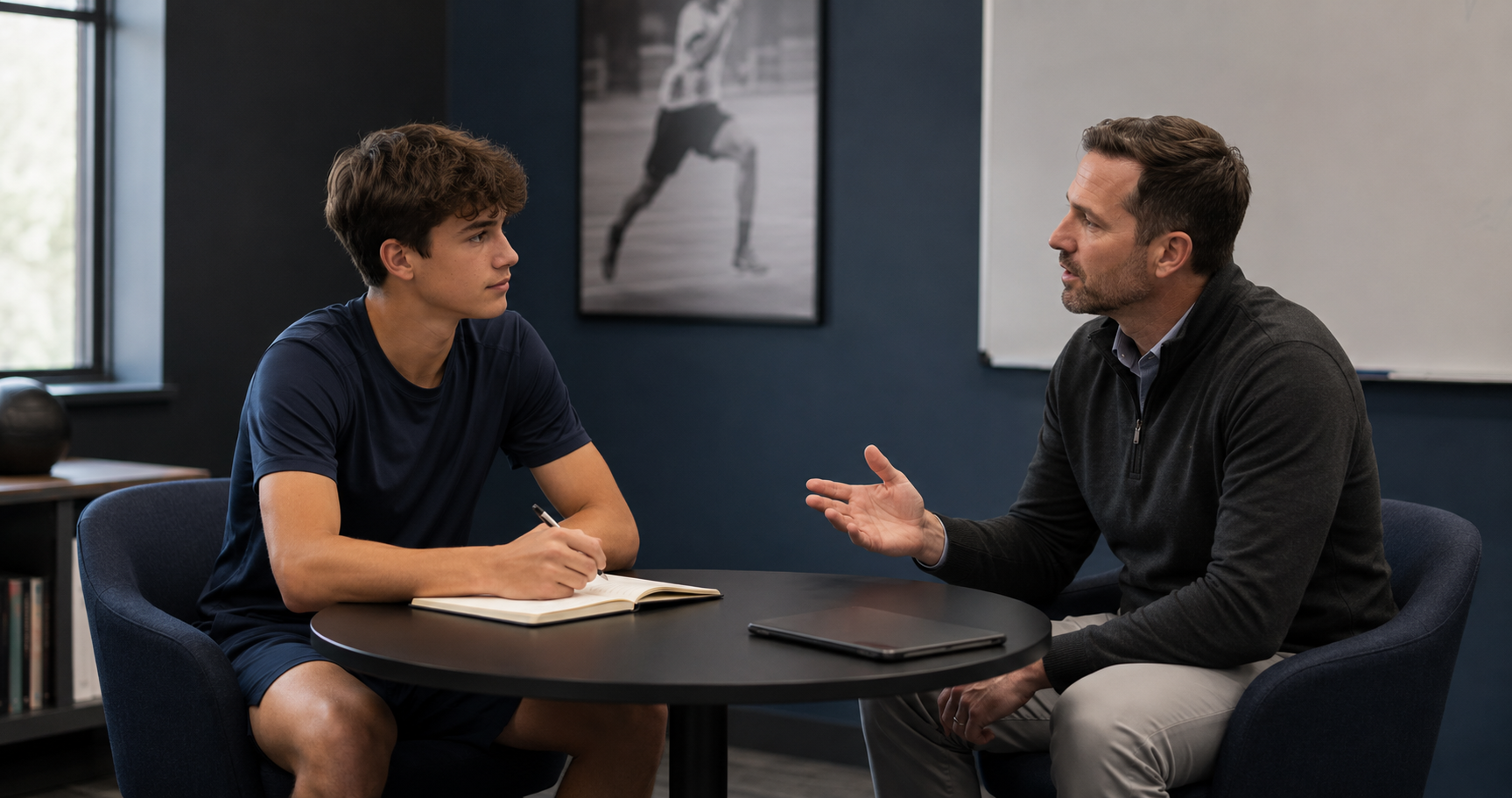
Not all at once. Use what fits: Did you enjoy competing today? What felt strong? What challenged you? Is there anything you want help with? What do you want to leave at the field?
The goal is connection and information—not a second coaching session.
ESCALATION STANDARD
Pain, rapid weight change, disrupted eating, prolonged fatigue, menstrual disruption, repeated illness, major sleep problems, persistent anxiety or loss of enjoyment require more than motivational language. Reduce load and involve the appropriate qualified professional.