Move well
Build the movement vocabulary every sport depends on.
- Run, jump, land, throw and catch
- Balance, coordination and mobility
- Quality first. Load second.
 Get in touch ↗
SUMMIT 2911 · DEVELOPMENT FRAMEWORK
The same operating principles used to manage performance—translated responsibly for developing athletes and the adults guiding them.
THE WHOLE-ATHLETE SYSTEM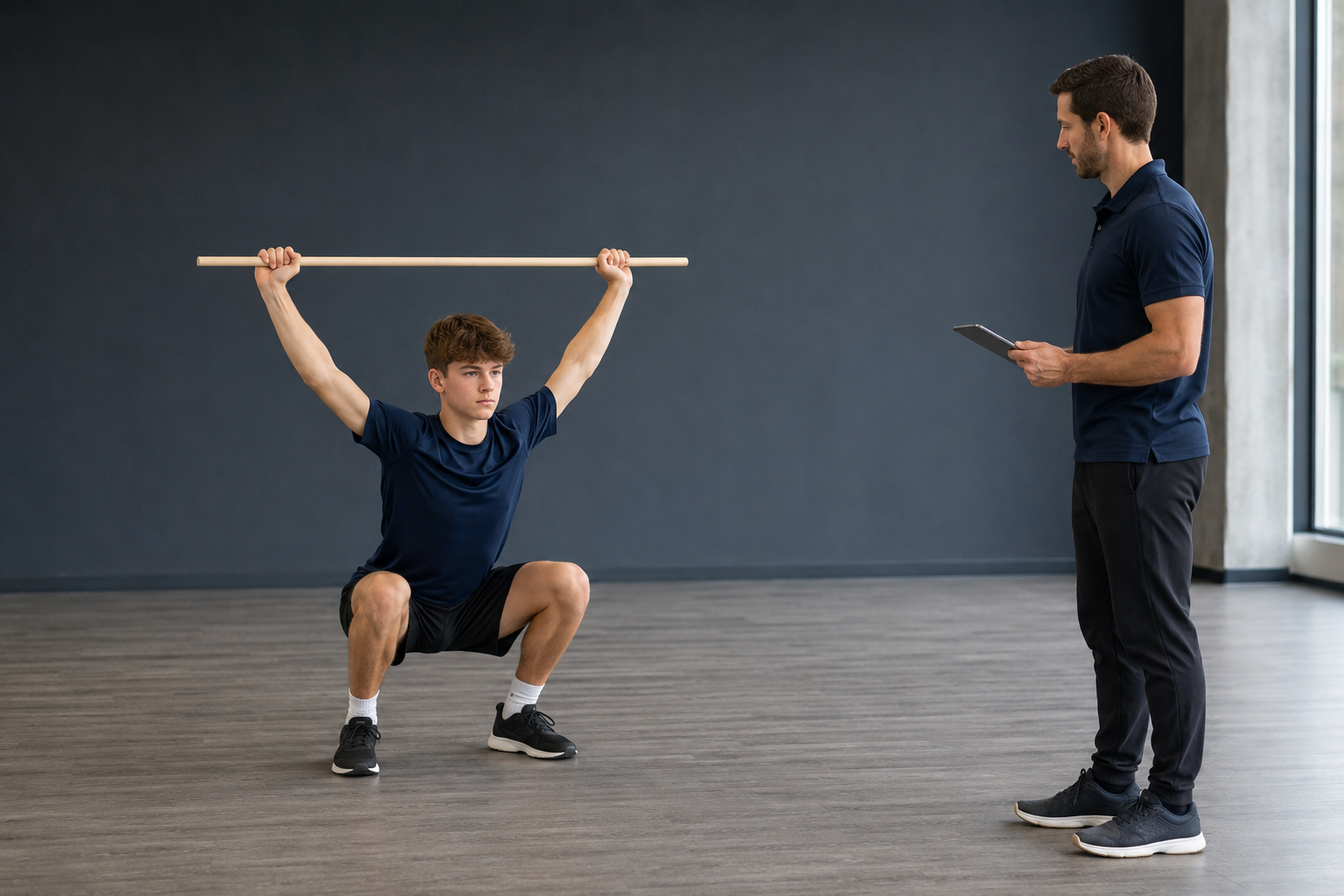
SYSTEM SNAPSHOT
A useful development system should help the athlete move better, get stronger and faster, tolerate appropriate work, recover well, build confidence and remain connected to a healthy identity.
Build the movement vocabulary every sport depends on.
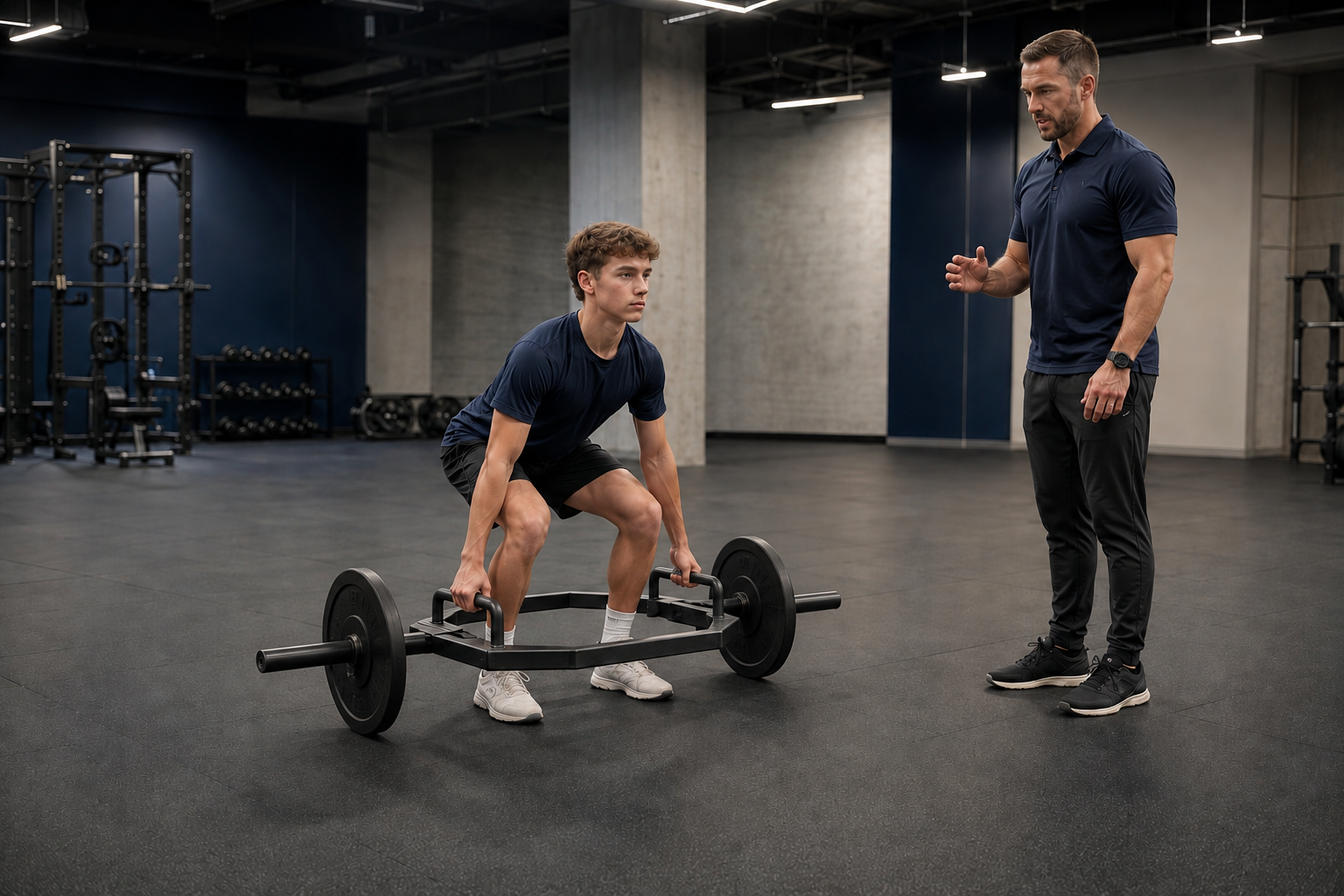
Develop strength, speed, power and conditioning at the right dose.
Eat enough to support growth, school, training and recovery.
Use sleep, rest and readiness to turn work into progress.
Build attention, confidence, emotional control and response to adversity.
Develop the person wearing the uniform.
 BUILD
BUILD ADAPT
ADAPTDEVELOPMENT PATH
Age provides context. Maturity, training history, skill, confidence, injury history and total life load determine the useful next step.
Play broadly. Learn fundamental movement. Keep formal training short, varied and positive.
Refine technique. Introduce supervised strength. Develop speed without chasing fatigue.
Train consistently. Adjust for growth. Add sport-specific work without losing the foundation.
Individualize training. Manage competition demands. Build ownership and life-ready habits.
QUARTERLY REVIEW
Do not turn children into dashboards. Use a small set of age-appropriate indicators to improve decisions: movement quality, skill progress, strength and speed development, attendance, energy, sleep, enjoyment and recurring pain. Ask what improved, what plateaued, what needs less load and what should stay exactly the same.
This framework is for education and performance planning. It is not medical, clinical, nutrition or rehabilitation advice. Pain, injury symptoms, disordered eating concerns, major recovery disruption or medical concerns should be addressed with the appropriate qualified professional.