
FREE SUMMIT 2911 RESOURCE

The Parent’s Guide to Whole-Athlete Development.

A practical framework for supporting performance, health, confidence and long-term growth—without taking over the journey.

READ · USE · REVISIT

THE PARENT STANDARD

Build the environment.
Protect the relationship.

Your job is not to control every result. Your job is to create the conditions where a young athlete can train, recover, learn, communicate and remain grounded in an identity larger than sport.

Use this guide as a decision filter—not another set of rules to perfect.

01Development

Progress the athlete in front of you

Calendar age is only context. Growth, maturity, training history, confidence and total life load determine the useful next step.

  • Expect uneven growth and temporary coordination changes
  • Avoid comparing one child’s timeline to another
  • Keep broad movement skills in the plan
02Training

Quality before volume

The goal is not to collect workouts. It is to apply enough high-quality work for the athlete to adapt.

  • Coordinate school, club and private training
  • Keep speed, power and skill work crisp
  • Add load only when movement stays controlled
03Fuel

Make performance nutrition normal

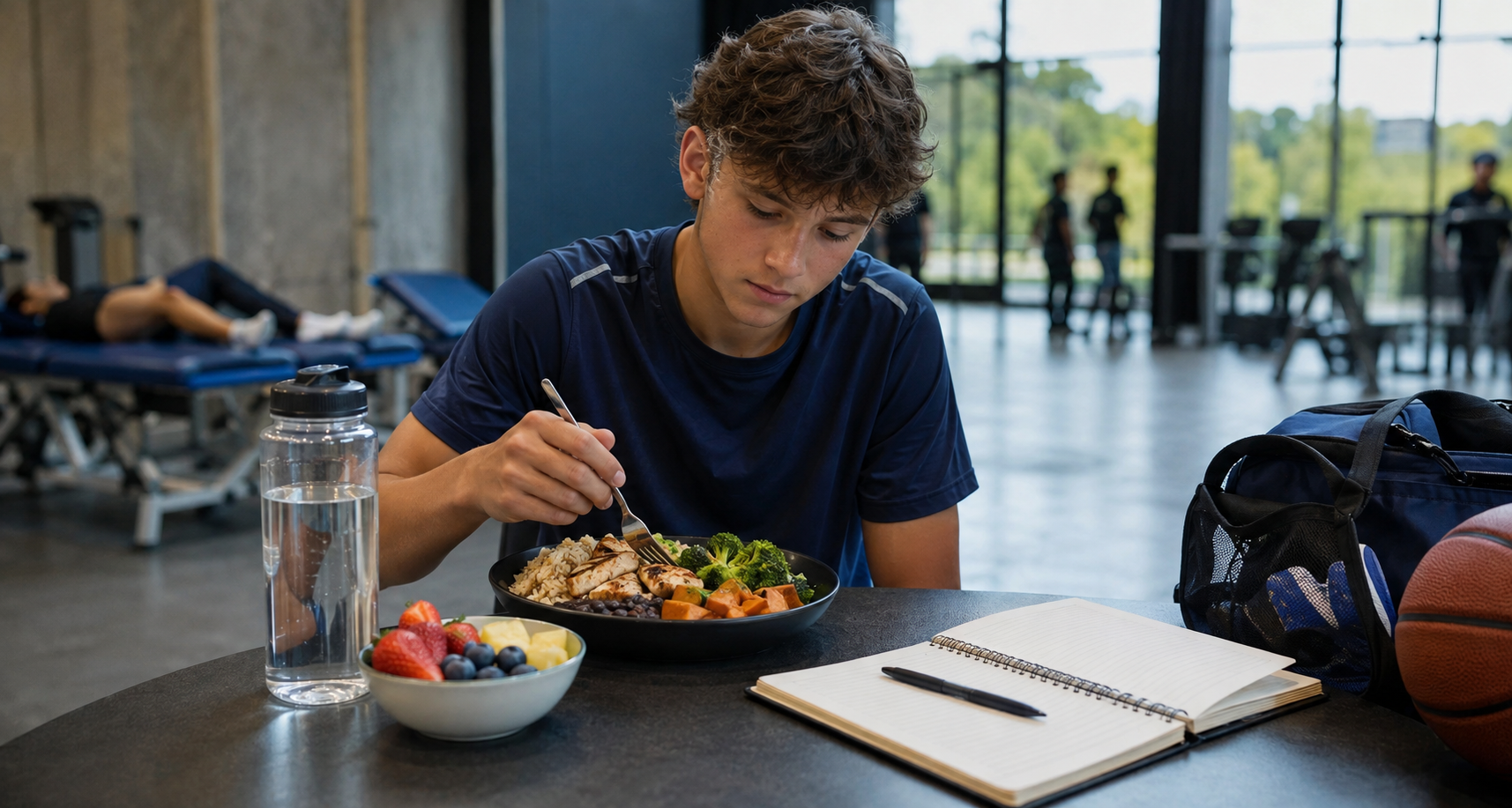
Parents shape access and routine. Reliable meals, useful snacks and hydration matter more than complicated rules.

  • Provide regular eating opportunities
  • Include carbohydrates and protein around training
  • Avoid fear-based restriction and supplement-first thinking
04Recovery

Protect the adaptation

Sleep and lower-demand days are part of development, not time away from it.

  • Protect consistent sleep opportunity
  • Keep at least one low-demand day each week
  • Trend fatigue, soreness, mood and enjoyment
05Communication

Protect the relationship

Your athlete needs a secure base more than a second coach in the car.

  • Ask before giving the answer
  • Praise preparation, courage and response
  • Keep belonging separate from playing time
06Safety

Know when to pause

Patterns matter. Early attention protects health and long-term opportunity.

  • Pain that changes movement deserves attention
  • Persistent fatigue or performance decline needs a conversation
  • Rapid weight change, disrupted eating or loss of enjoyment require qualified support

THE WEEKLY CHECK-IN

Five useful questions.

Look for patterns across several weeks. Do not overreact to one difficult day.

  1. Does my athlete still look forward to playing?
  2. Are energy and mood generally stable?
  3. Is normal soreness resolving within a day or two?
  4. Is there enough time to sleep, eat and recover?
  5. Does our relationship still feel bigger than the result?

When the answer stays “no.”

Reduce unnecessary load and start a calm conversation. Persistent pain, fatigue, mood change, disrupted eating, menstrual disruption, repeated illness or loss of enjoyment should involve the appropriate qualified professional.

Explore athlete assessments